People of the OCQ: Anouk
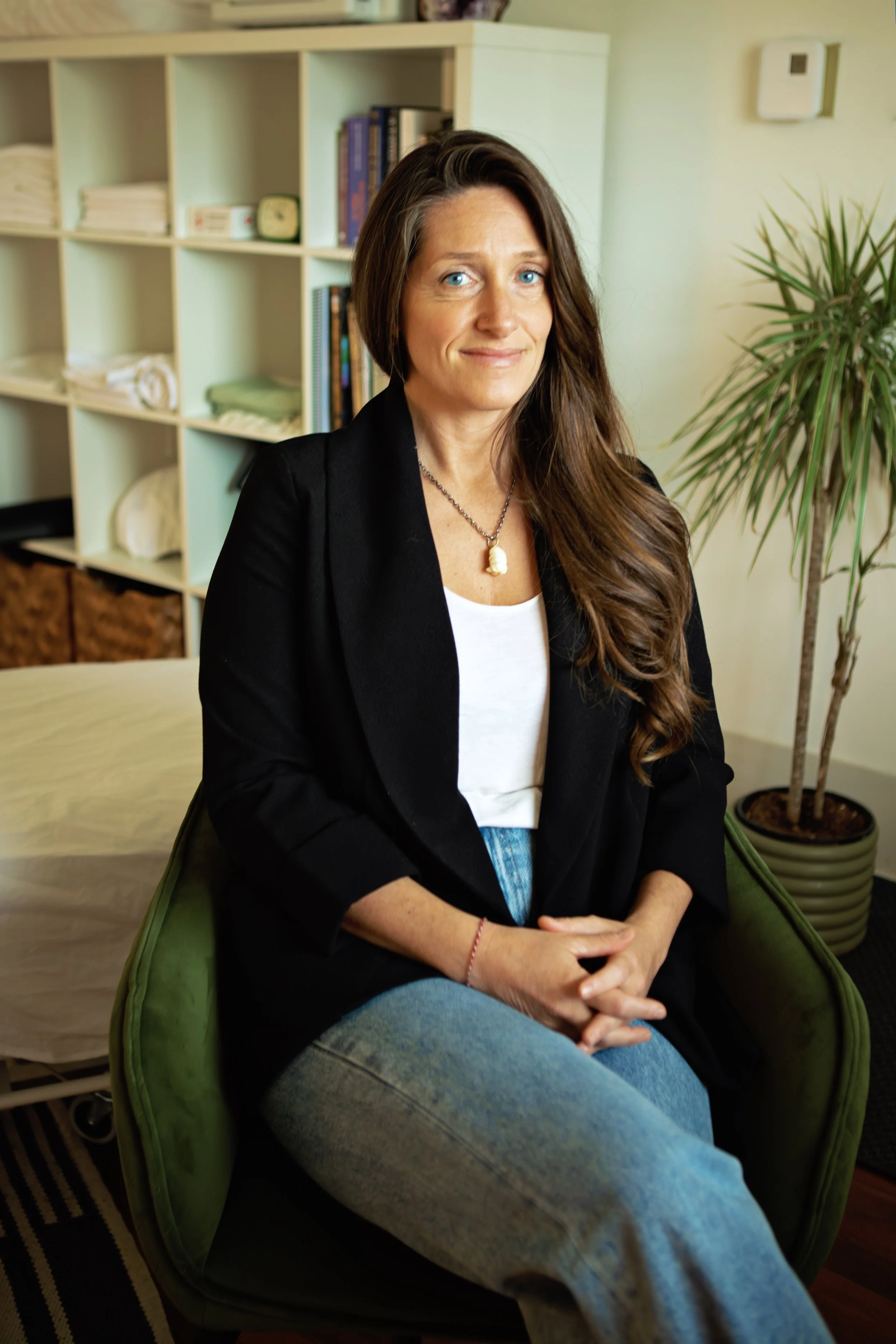
On any given morning in the Old City Quarter, the first floor of a heritage building hums quietly with the rhythm of women at work. Sunlight catches the original trim, footsteps echo along worn wood floors, and one business owner has built a practice rooted as much in listening as in healing.
For Anouk of Anouk Sanchez Osteopathy, the decision to open up a solo practice in the heart of the Old City Quarter was both a practical and personal decision. After buying her home in the neighbourhood, she knew she wanted something different from the multidisciplinary clinics she’d worked in before.
“I realized that over time you do build relationships with other practitioners, whether they are in your clinic or outside of your clinic, so I thought I might as well chose an office close to home,” she says.
What she found in the Old City Quarter was more than a convenient address; it was community.
“I really like the fact that it’s all women run businesses in this building,” she explains. Anouk is quick to point out this situation isn’t unique to the Old City Quarter. The heritage district is booming with women-led businesses from service and beauty providers, restaurants and retail spaces.
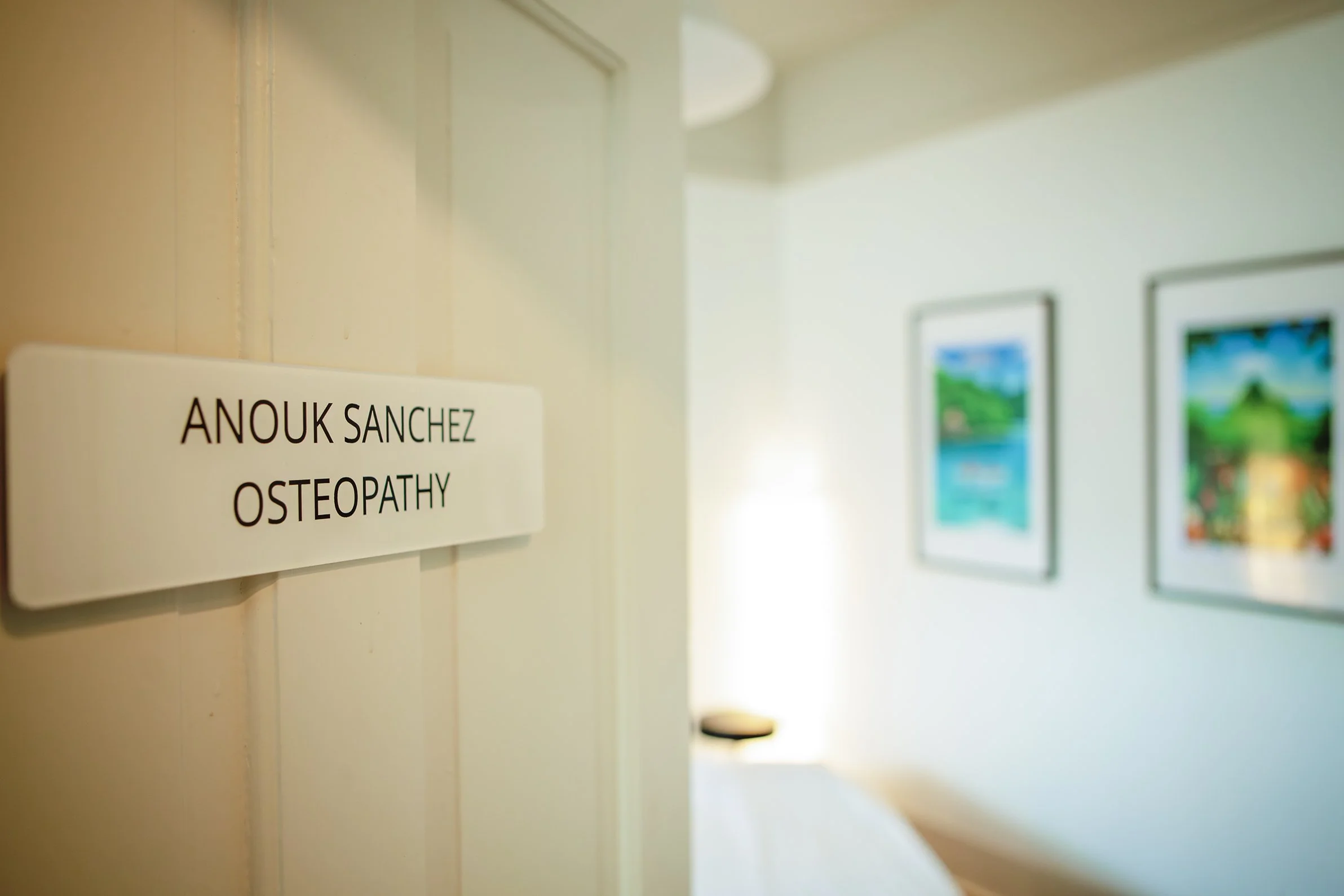
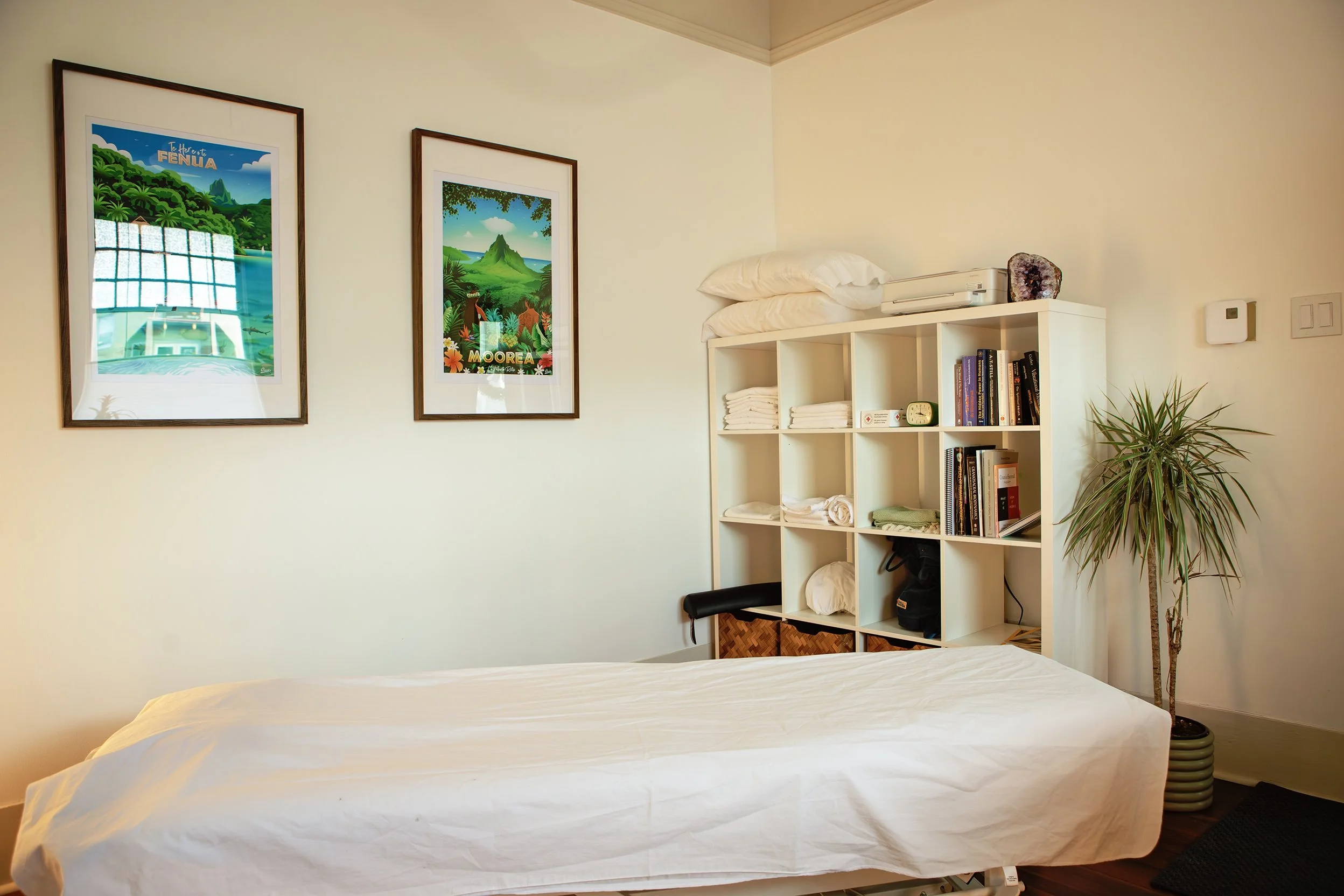
Inside her softly lit treatment room, her work is harder to define than a storefront sign might suggest.
“It’s hard because it’s all-encompassing and holistic,” she explains. “People often ask me to name the techniques, but that is a small part of what the actual practice of osteopathy is about. I help connect you to your body to find the cause of the problem and empower it to heal within.”
As defined by the Canada Osteopathy website, osteopathy views the body as one unit working together and takes all the moving parts into consideration during assessment and treatment. It understands the body is also inherently capable of healing and regulating itself, given the right conditions. Osteopathic Manual Practitioners are functional anatomists who use manual therapy to restore proper body mechanics, nerve impulse and circulation by removing motion restriction where needed.
Anouk’s training allows her to treat more than muscles and joints. “We are trained to treat people with our hands, but to treat not only the musculoskeletal system, but also the viscera, the hormonal system, and the nervous system. Our goal is to make sure that the different relationships between your body parts allow the body to find its own state of homeostasis and healing.”
This is not a band-aid approach.
“We’re often seeing people that are desperate and have complex problems,” she says. “We offer a full holistic view of the body, so usually after people have exhausted other traditional options they will come here and discover the root to the issue and then have the ability to heal.”
She collaborates freely with other practitioners, referring to naturopaths, acupuncturists, physiotherapists, and chiropractors when needed. “If I feel that I don’t have the entire solution, I will happily suggest they seek another therapy to say, work on hormonal support from your natural path, and we can work on the physical part.”
What sets Anouk’s practice apart isn’t just technique — it’s perspective.
“By the time you’re an adult, you have had traumatic incidents, and these pile on throughout the years,” she says. “It could be a physical injury or emotional stress. All of these add up.”
Anouk sees patients with a wide variety of ailments like lower back pain, migraines and TMJ pain. She has a keen interest in women’s health, concussion, complex pain and pediatrics. She describes her work with a spark of curiosity, “It’s like you’re a detective of the human body.”
That sense of investigation, of piecing together the story behind the symptom, keeps Anouk engaged. “Each person comes with their own set of conditions in their body.”
Like her office in the heritage building 376 Selby Street, Anouk’s practice is rooted and built to last. Patients enter a space where their pain is not just a symptom to silence, but a story to understand.