
People of the OCQ: Colleen
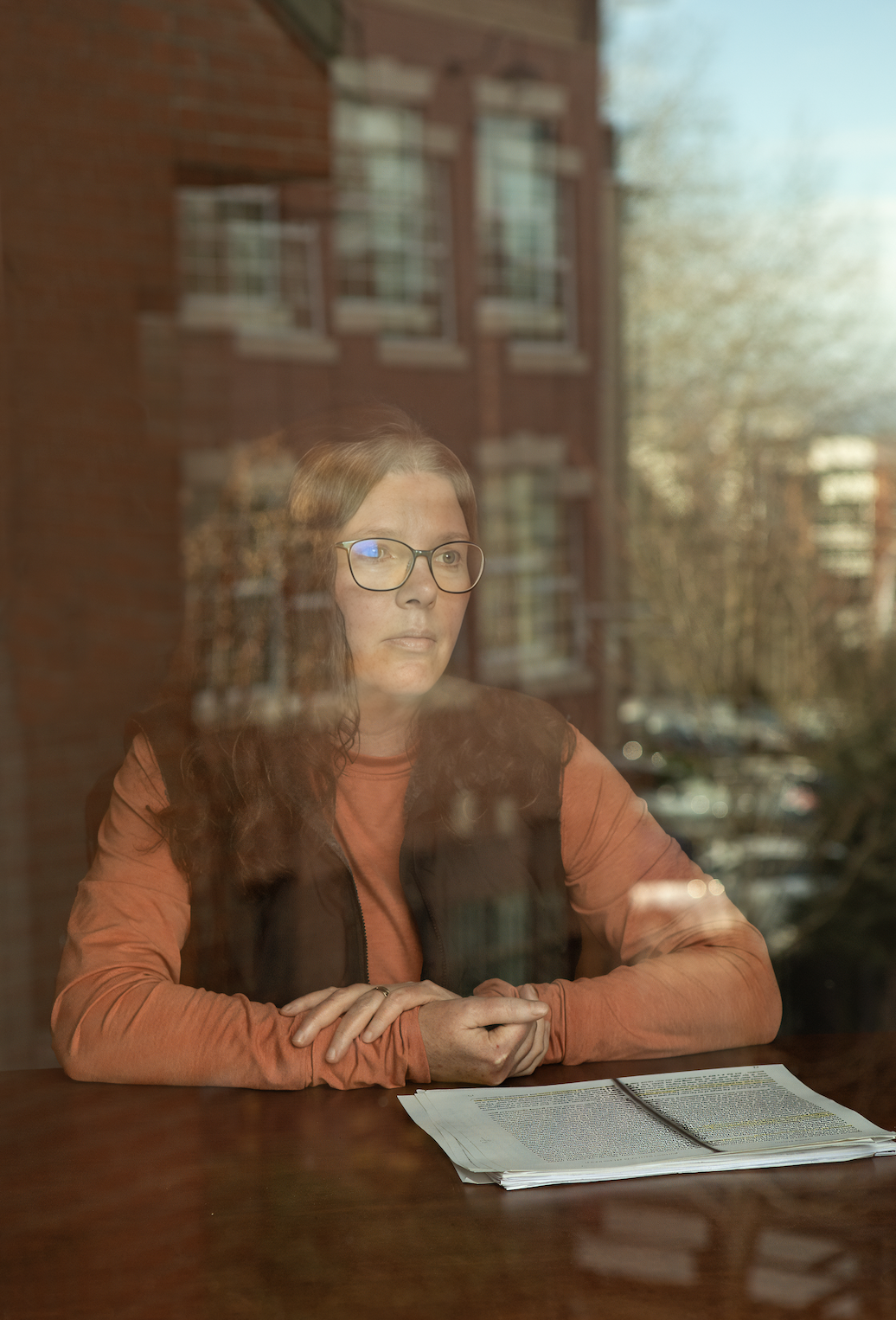
When most people think of archaeology, they picture ancient cities, stone temples, or ruins in other parts of the world; they don’t usually think of Vancouver Island. And yet, beneath our feet is a landscape shaped by thousands of years of human history, much of it unseen and carefully protected.
That hidden history is the focus of Colleen’s work at her company Aquilla Archaeology Ltd.
“Our focus is on identifying, assessing and protecting ancient evidence of Indigenous people and their settlements.”
Her company works across coastal British Columbia, quietly and methodically locating, documenting, and protecting archaeological sites before they’re damaged or lost. Much of the work happens long before construction begins, often out of public view, and always under strict regulation.
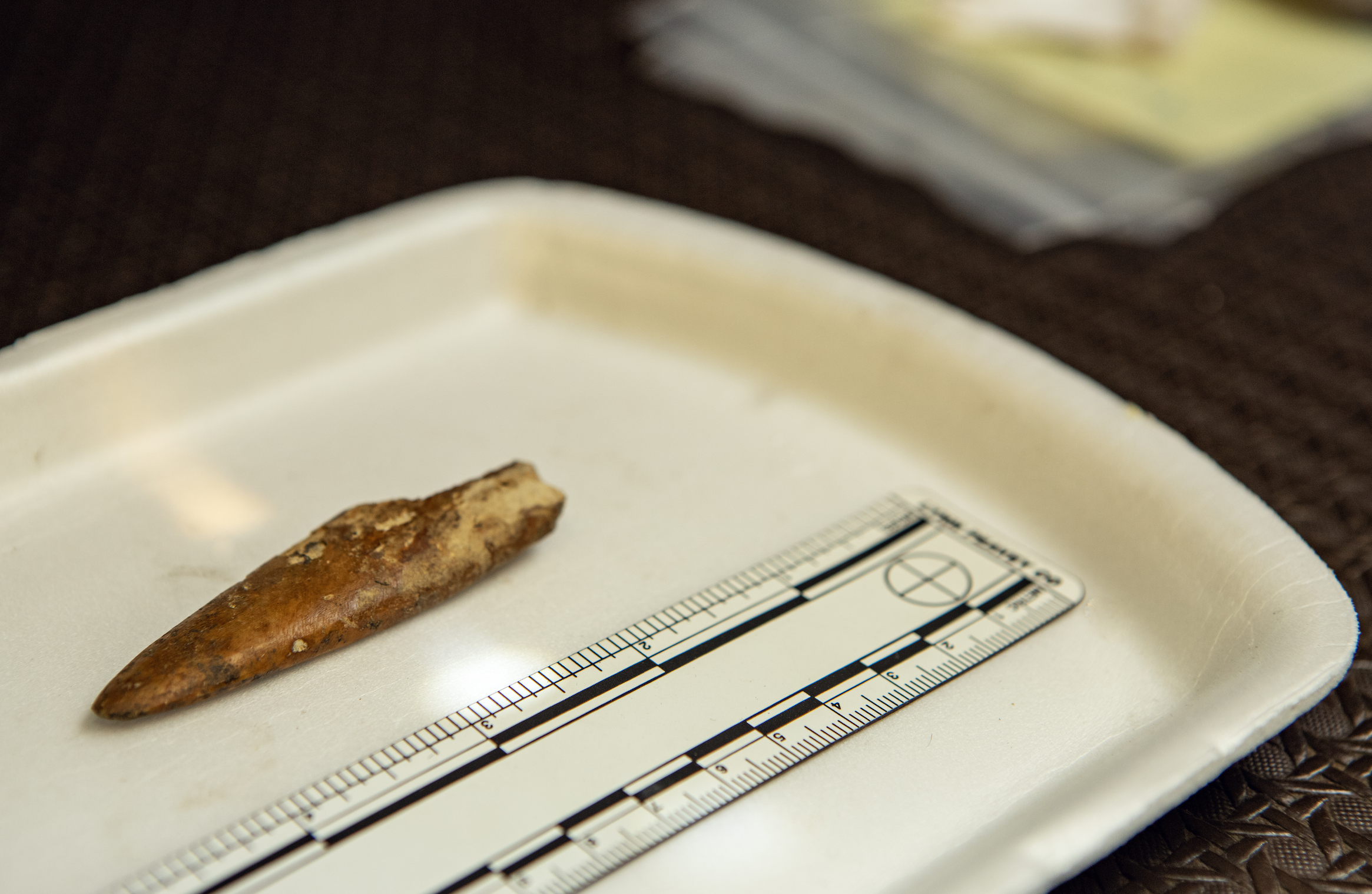
“A lot of what we do is site discovery,” she says, “in an effort to protect the site and to do everything possible to avoid impacting the archaeological site, or minimizing the impact if it can’t be avoided.”
Archaeology, as she describes it, isn’t about stumbling upon artifacts by chance. It’s about learning how to read the landscape itself.
“We’re trained to understand and are able to read the landscape in a way that peels back colonial and modern history,” she explains. “We’re able to pick up on the terrain features that suggests to us that this would have been a good place for people to either have a settlement, or maybe it was a good place for rock art, or maybe it was a good place for burying the dead.”
That understanding comes from years of experience, combined with environmental knowledge and historical records. Her team also relies on provincial archaeological maps that document previously identified sites. Much of that local archaeology remains confidential, intentionally, to protect sites from vandalism and disruption.
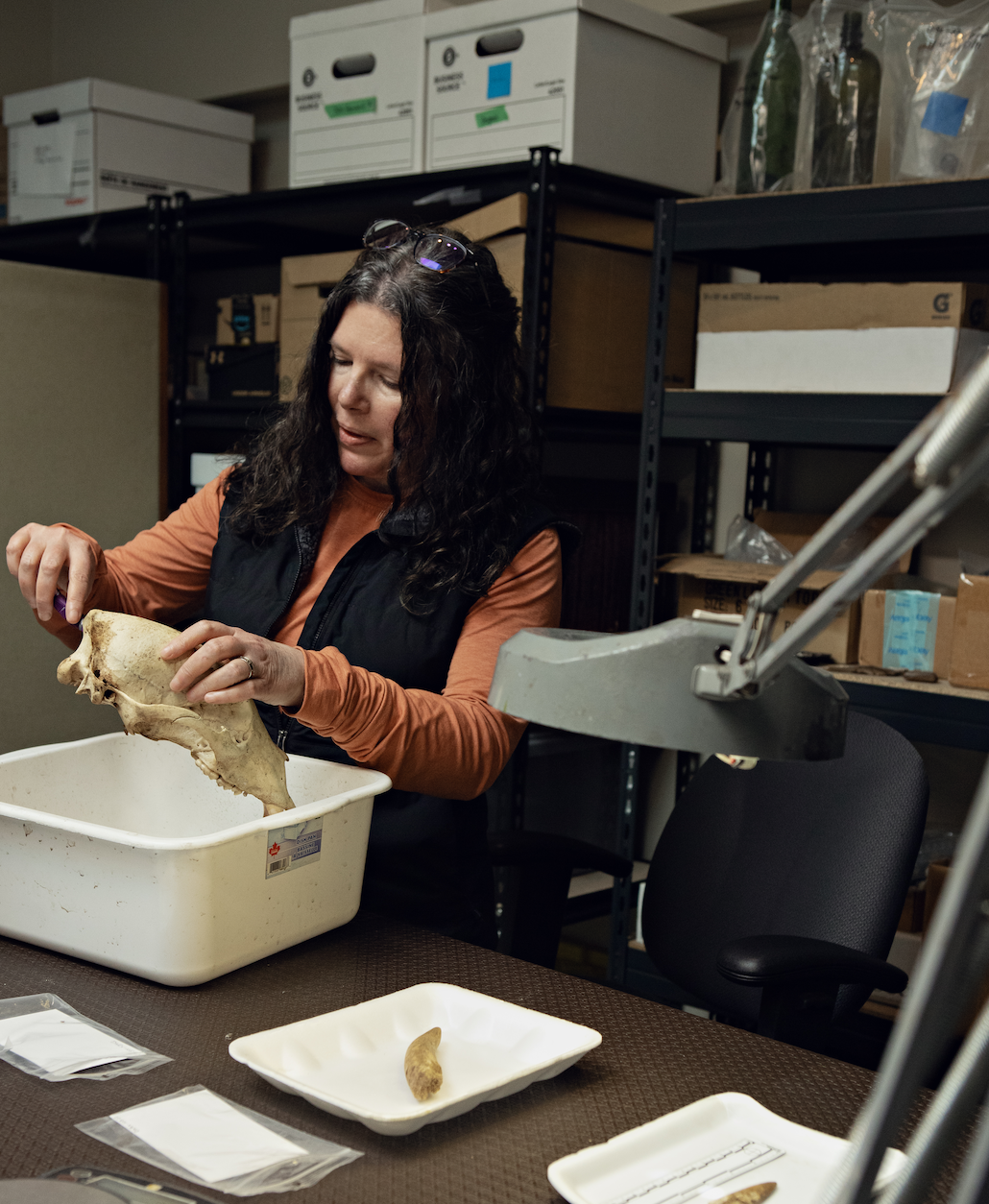
In her adolescence, Colleen was drawn to stories of the past. “I have always been a history buff,” she says. “I was an avid reader as a child and read a lot of historic fiction. The only courses I really cared about in high school was history and social studies.”
At university, that interest deepened, and was helped along by mentors who showed her archaeology wasn’t just about distant civilizations.
“You think to yourself, ‘there’s no way I could be an archaeologist’,” she says. “You think that it is something global, but it’s not true. There’s archaeology everywhere in the world, including here.”
At its core, archaeology is storytelling—assembling fragments of physical evidence into a meaningful narrative.
“We take evidence in the ground and we essentially transcribe and translate it into written and visual text to tell the story of what happened in this place.”
Archaeology is also irreversible work.
“Archaeology is destructive,” she says plainly. “As soon as you remove sediments or objects, you’re removing the context.”
That’s why documentation matters.
“The value lies in the association of that artifact in relation to the other objects and other physical evidence,” she explains. “That’s how we build up the story.”
Because of that responsibility, the profession is tightly regulated.
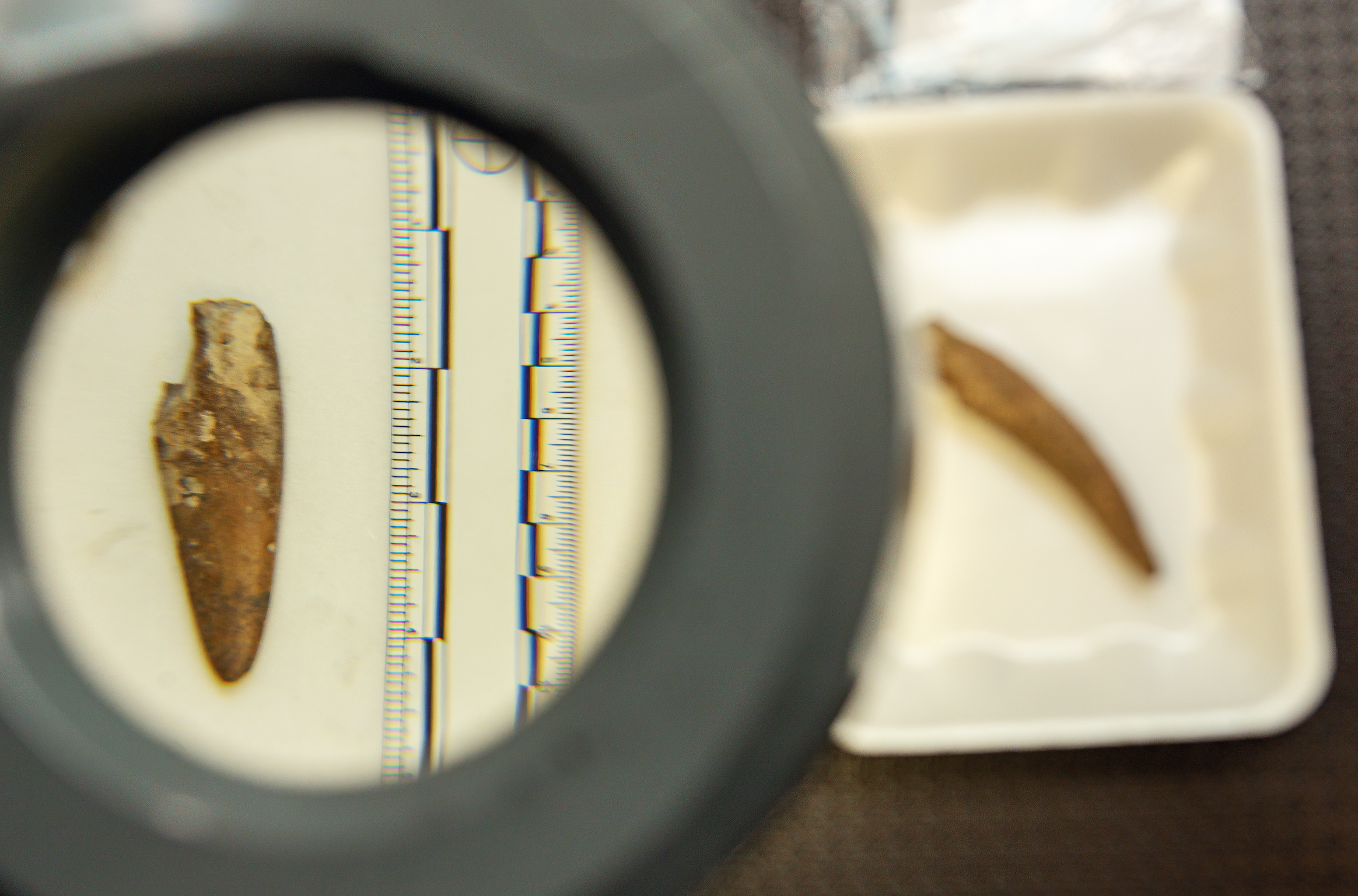
After years of working as an employee and contractor, Colleen made the decision to start her own company out of necessity.
“It was rife with misogyny,” she says. “The power structures of how archaeology was being done in the province was not something that I could continue to work within anymore.”
She knew that if she was going to continue in the field, it had to be different. That difference shows up in how she works with Indigenous communities.
“I co-manage projects with Indigenous communities,” she says. “It doesn’t matter what it is, we’re still going to make the decisions together.”
For her, that approach is fundamental.
“It’s not my heritage, it’s their heritage,” says Colleen. “They’re the rightful decision makers and I am a trusted professional to help provide information, to inform the best decisions.”
Colleen’s business has grown alongside her connection to the city. “There is one really strong reason why I chose to be located here, and that is because we are located close to the museum and the archives.” The Aquilla Archaeology Ltd. office is located in the Old City Quarter also due to its gated security.
While the work itself is often quiet and unseen, the impact is lasting. Aquilla Archaeology Ltd. helps ensure that growth and development don’t come at the cost of erasing Indigenous history.